

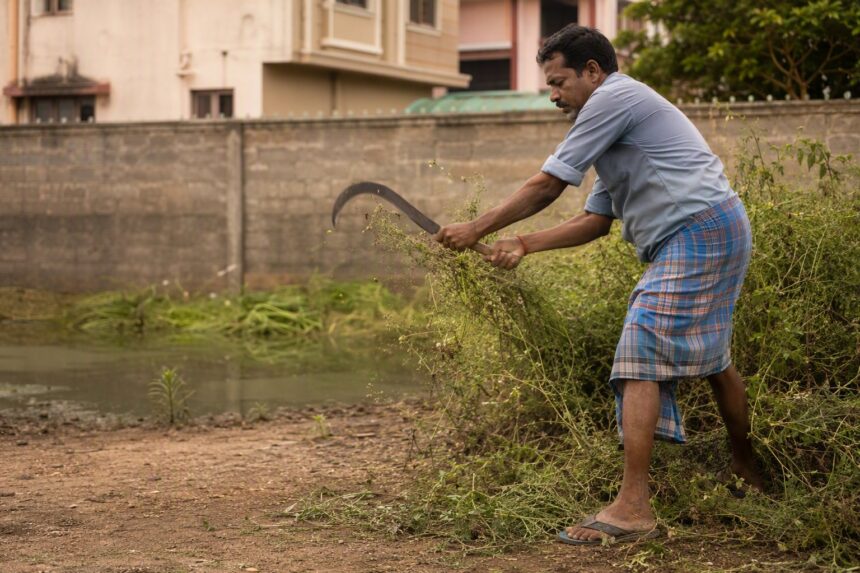
In an effort to improve the aesthetics, safety, and environmental health of Chennai, the Greater Chennai Corporation (GCC) has introduced a set of guidelines for vacant landowners. These guidelines aim to address the issues created by neglected vacant lands, which can lead to environmental hazards, health risks, and safety concerns. The guidelines are based on the Tamil Nadu Urban Local Bodies (TNULB) Act, 1998, and the TNULB Rules, 2023.
Why Proper Maintenance Matters
Proper maintenance of vacant lands plays a vital role in:
- Urban Cleanliness: Keeping land free of waste and overgrowth enhances the city’s cleanliness.
- Public Health: Preventing mosquito and rodent breeding grounds ensures healthier communities.
- Safety: A well-maintained land is less prone to unauthorized use, illegal dumping, and encroachments.
Key Guidelines for Vacant Landowners
Here’s what landowners need to do to comply with the GCC guidelines:
- Cleaning of Vacant Land
- Regularly inspect the land for overgrown vegetation, waste accumulation, and stagnant water.
- Remove weeds, bushes, and tall grasses to eliminate breeding grounds for pests.
- Dispose of removed vegetation and waste in compliance with solid waste management rules.
- Waste Management
- Prevent the accumulation of solid waste and construction debris.
- If any waste is found, remove it promptly, segregating recyclable and non-recyclable waste according to the Solid Waste Management Rules, 2016.
- Do not burn waste, as it harms the environment and public health.
- Drainage Maintenance & Water Stagnation
- Regularly check for stagnant water and address water accumulation promptly to prevent mosquito breeding.
- Ensure that drains and water channels are functioning properly and not blocked.
- Fencing & Security
- Install sturdy fences to prevent unauthorized access, illegal dumping, and encroachments.
- Regularly inspect the fence for any damage and carry out timely repairs to maintain security.
- Cooperation with GCC
- Share your contact details and postal address with GCC’s Revenue, Health, and Zonal Offices for better coordination.
- Cooperate with officials during inspections and promptly respond to any notices or requests from the GCC.
Compliance and Penalties
Landowners must comply with these guidelines to ensure the welfare of the community and prevent environmental degradation. Non-compliance may result in legal actions under the following provisions:
- Warning Notice Procedure
- If guidelines are violated, a Warning Notice will be issued, giving landowners 7 days to rectify the issues. Follow-up inspections will verify compliance.
- Legal Provisions for Violations
- TNULB Rules, 2023: Notices may be issued for mosquito/rodent control and waste removal. Failure to comply may lead to recovery of costs from the landowner.
- TNULB Act, 1998: Penalties may be imposed for violations. A fine up to ₹25,000 may be levied, and continuing violations could result in an additional fine of ₹500 per day.
- Waste Removal Charges
- If waste is not cleared by the landowner and poses a public health risk, the Corporation will clear the waste and add the cost to the property tax under “Solid Waste Removal Charges.” The charges will be based on the amount of waste:
- Up to 5 MT: ₹5,800
- Up to 10 MT: ₹11,600
- If waste is not cleared by the landowner and poses a public health risk, the Corporation will clear the waste and add the cost to the property tax under “Solid Waste Removal Charges.” The charges will be based on the amount of waste:
Conclusion
The Greater Chennai Corporation’s guidelines for vacant landowners aim to foster a cleaner, healthier, and safer urban environment. By ensuring proper maintenance of vacant lands, landowners can contribute to the city’s overall well-being, preventing public health risks and maintaining the aesthetic quality of the urban landscape.