

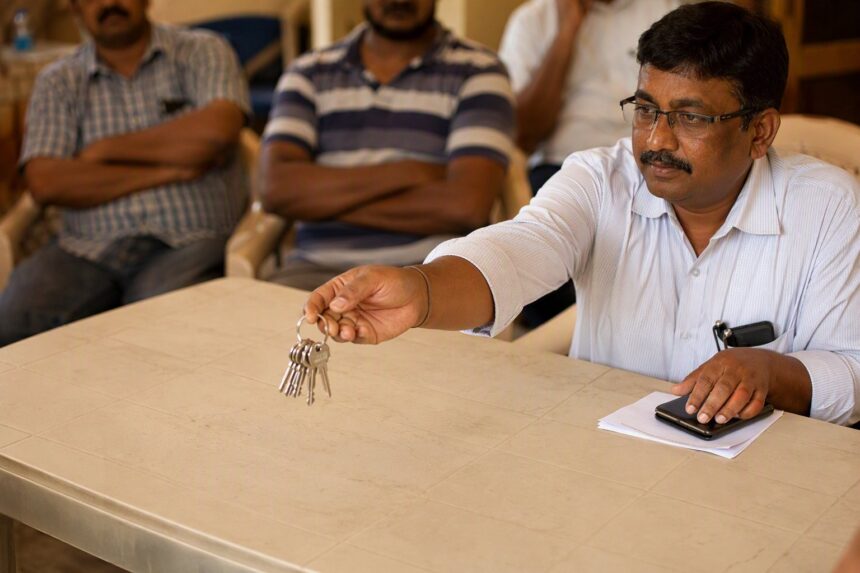
Karnataka is on the verge of a historic legislative upgrade, with the state set to replace its nearly 50-year-old apartment ownership law with a modern, RERA-compliant act. The proposed law, backed by Deputy Chief Minister D.K. Shivakumar, is designed to protect homebuyers, strengthen resident welfare associations (RWAs), and bring clarity to apartment ownership, governance, and maintenance standards in vertical housing communities.
🔑 Why the Change Was Long Overdue
The existing Karnataka Apartment Ownership Act, dating back to the 1970s, no longer meets the needs of a fast-growing, urbanized state where high-rise living is now the norm—especially in Bengaluru. Buyers often found themselves at the mercy of ambiguous laws, poorly managed associations, and limited legal recourse.
The new legislation aligns with the Real Estate (Regulation and Development) Act, 2016 (RERA), making it legally robust and uniform across projects. For property buyers, this means greater transparency, accountability, and protection.
🏢 Major Reforms Under the New Law
- RERA-Based Governance: Associations and builder obligations will now fall under the RERA umbrella, offering standardized protection.
- Mandatory Formation of Resident Welfare Associations (RWAs).: Builders must facilitate the formation and registration of RWAs once 60% of units are sold.
- Financial Transparency: RWAs will be required to maintain audited accounts and disclose usage of maintenance and sinking funds.
- Defined Builder Exit Protocol: Builders must transfer control of the project—including documents and common areas—upon completion, reducing delays and disputes.
- Digital Documentation: All apartment-related records must be accessible digitally for increased clarity and reduced fraud.
🌆 A Boon for Bengaluru’s Vertical Living Spaces
In Bengaluru—home to thousands of apartment complexes—residents have long struggled with erratic builder handovers, unregistered associations, and opaque maintenance charges. The new law is expected to:
- Minimize legal disputes
- Empower apartment owners to self-govern
- Encourage developers to be more accountable
It could also help reduce project delays and improve the post-occupancy experience for homebuyers—a major pain point in India’s urban housing scene.
📈 Impact on Real Estate Stakeholders
For Buyers: More confidence, fewer hidden costs, legal empowerment.
For Developers: A push toward compliance and structured handovers.
For RWAs: Legal recognition, defined roles, and financial legitimacy.
💬 What the Deputy CM Said
Deputy CM D.K. Shivakumar called this reform a “people-first legal reset,” highlighting that the bill was developed with extensive stakeholder consultation—including builders, RWAs, and civil society groups.
The proposed legislation is currently awaiting final approval and will likely be implemented with amended model bylaws across the state.