

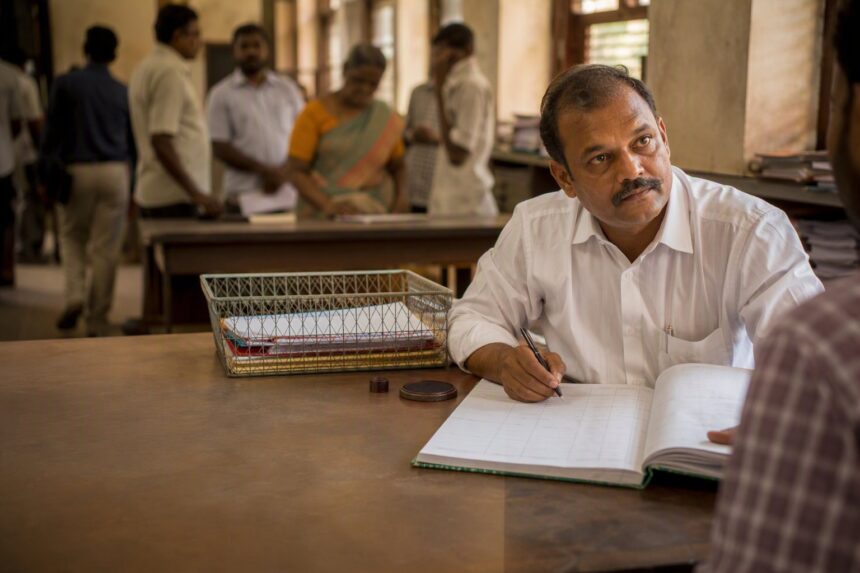
A new circular from the Inspector General of Registration (IGR), Tamil Nadu — Circular No.16687/CI/2025 dated 01.08.2025 — has introduced stricter monitoring of cash payments during property registration. This directive requires Sub-Registrars across the state to report any cash payment above ₹20,000 mentioned in a sale document to the Income Tax Department.
This is not a ban on cash. It is an enforcement mechanism to tighten scrutiny and bring more transparency into real estate transactions.
The Supreme Court’s 2025 Judgment: Why This Circular Was Issued
The move stems from a 2025 Supreme Court judgment (Civil Appeal No. 5200 of 2025), which made it clear that the country’s existing cash-transaction laws are being ignored frequently in property disputes.
The Court reiterated:
- Any cash payment of ₹2,00,000 or above towards the purchase of immovable property violates Section 269ST of the Income Tax Act.
- Courts must report such claims to the Income Tax Department.
- Sub-Registrars must inform Income Tax authorities whenever sale deeds mention cash of ₹2,00,000 or more.
This judgment has now pushed Tamil Nadu to implement even stricter reporting through its own registration system—leading to the new ₹20,000 reporting threshold.
₹20,000 Reporting Rule vs. ₹2 Lakh Legal Limit — The Big Difference
There’s widespread confusion because media headlines have mixed up two completely different limits:
1️⃣ ₹20,000 — Reporting Requirement (Tamil Nadu Circular)
If a document mentions cash above ₹20,000, the Sub-Registrar must:
- Record it,
- Report it to the Income Tax Department,
- Attach the report as a link page to the registered document.
This is an administrative requirement, not a legal restriction on buyers.
2️⃣ ₹2,00,000 — Legal Prohibition (All-India Rule)
Under Section 269ST of the Income Tax Act, cash of ₹2 lakh or more in one transaction is illegal.
Penalty: 100% of the cash amount.
Tamil Nadu’s circular does not change the national law — it simply ensures stricter monitoring so that violations come to light.
Why This Matters for Buyers and Sellers
The objective is simple: stop unreported cash circulation in property sales. For genuine homebuyers, this is actually a safety measure.
Implications:
- No issue if small amounts of cash are used.
- Large cash payments invite legal scrutiny.
- Registrars will now document every ₹20,000+ cash mention.
- Transactions are safer when payment trails are clear.
Buyers should use bank transfer, cheque, DD, RTGS, NEFT, or UPI for all high-value payments to avoid future disputes or tax issues.
What Buyers Should Do to Stay Fully Compliant
- Avoid cash payments beyond small token amounts.
- Reflect actual payment details clearly in the sale deed.
- Maintain receipts, bank statements, and acknowledgement letters.
- Ensure the mode of payment is transparent and traceable.
If you’re unsure about compliance, Verified.RealEstate can help validate your document structure before registration and check for legal risks.
How Verified.RealEstate Helps You Stay Safe
At Verified.RealEstate, we guide buyers on:
- Reviewing payment clauses in sale deeds
- Spotting risky cash entries
- Ensuring Section 269ST compliance
- Preparing safe, bank-traceable payment trails
- Verifying document formats before registration
Our Survey Number Finder, EC Checklists, Patta-Verification Flow, and Legal Document Audit help buyers avoid mistakes that could invite scrutiny later.