

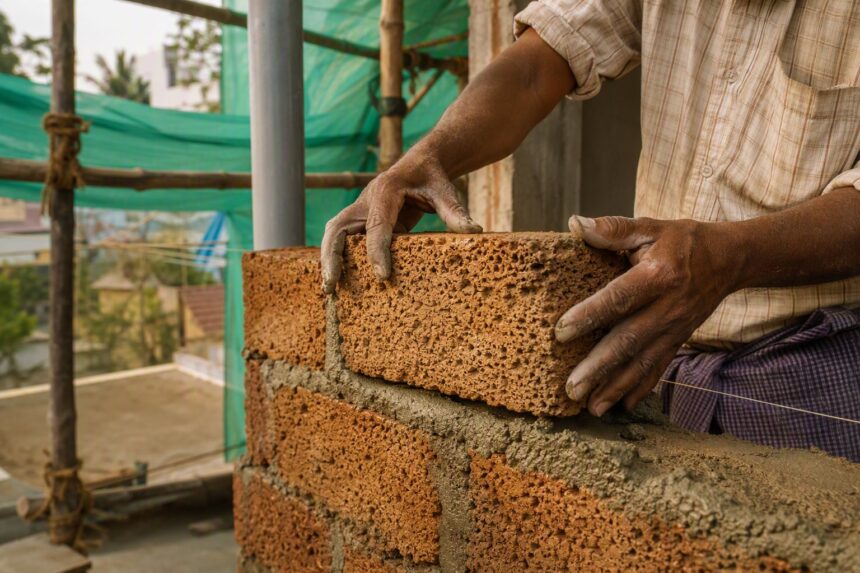
How Eco-Conscious Living Is Reshaping Property Development
In recent years, sustainability has evolved from a buzzword into a core value in Indian real estate. As urban areas expand and environmental concerns grow louder, both developers and homebuyers are looking toward eco-friendly housing as the future of urban living.
Driven by regulatory pressure, climate realities, and a rising demand for healthier lifestyles, sustainable housing is now a strategic priority, especially in metros like Chennai, Bengaluru, and Pune.
What Makes a Home Sustainable?
Sustainable homes go beyond energy-efficient lighting and water-saving fixtures. A truly green home is built using environmentally responsible materials, minimizes carbon emissions during and after construction, and maximizes natural ventilation, daylight, and waste management efficiency.
Key features include:
- Rainwater harvesting systems
- Solar power integration
- Waste segregation and composting
- Low-VOC paints and green-certified materials
- Thermal insulation and energy-efficient design
Regulations Supporting Green Development
Government frameworks like GRIHA (Green Rating for Integrated Habitat Assessment) and IGBC (Indian Green Building Council) certifications have started influencing how new projects are designed.
In cities like Chennai, building codes increasingly favor developers who incorporate:
- On-site water recycling
- EV charging points
- Green terrace and rooftop gardens
In fact, some states have introduced property tax rebates for green-certified buildings, offering a financial incentive to adopt eco-practices.
Planning to buy or build a sustainable home? Our experts help verify compliance, guide eco-friendly approvals, and connect you with green-certified developers.
Homebuyers Want More Than Just Walls
Today’s urban buyer isn’t just looking for square footage—they’re looking for clean air, natural light, efficient energy bills, and proximity to nature.
Developers are responding by integrating community gardens, green walkways, and bio-diverse open spaces. Projects with LEED or IGBC ratings often command higher resale value and faster absorption in the market.
Challenges and the Road Ahead
Despite the growth, challenges remain:
- Higher upfront costs
- Lack of standard definitions across regions
- Low awareness among Tier-2 and Tier-3 homebuyers
However, as climate consciousness grows and younger buyers enter the market, sustainable housing is no longer a luxury—it’s becoming an expectation.
With the global construction sector responsible for nearly 40% of carbon emissions, real estate in India has both the responsibility and the opportunity to lead the way.
Conclusion: Sustainable Today, Sensible Tomorrow
The Indian housing sector stands at a critical juncture. Building sustainably isn’t just an environmental necessity—it’s an investment in long-term value, resilience, and quality of life.
As regulations tighten and demand rises, developers who embrace green building practices now will lead the market tomorrow.